
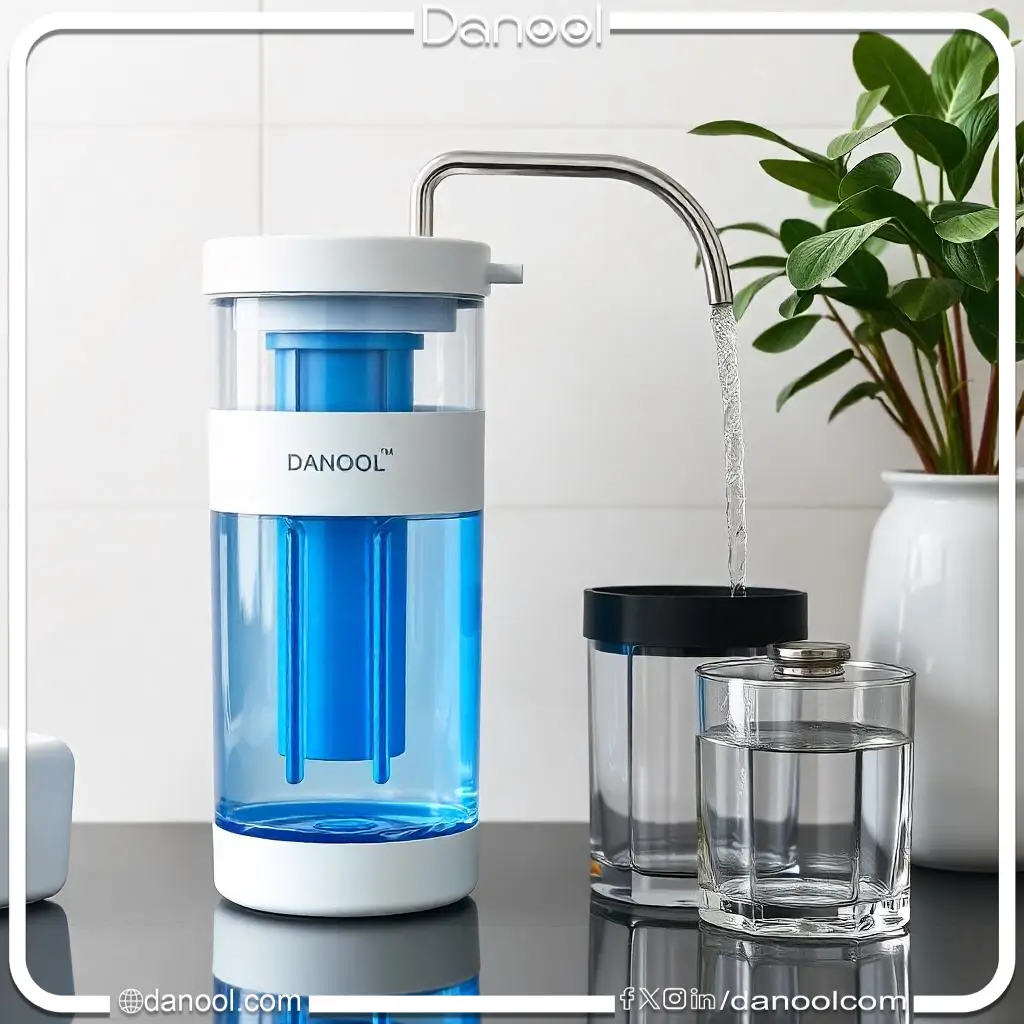
Diseases caused by contaminated water
- Bacterial Diseases
- Cholera: transmitted by Vibrio cholerae, causing severe diarrhea and rapid dehydration.
- Typhoid: It is transmitted by the bacteria "Salmonella", and causes a long-lasting fever and abdominal pain.
- Parasitic Diseases
- Amoebic dysentery: Caused by amoebas, causing bloody diarrhea and abdominal pain.
- Ciardia: transmitted by Giardia parasites, causing bloating and stomach pain.
- Virus Diseases
- Viral Hepatitis: It is transmitted through water contaminated with feces, and causes symptoms such as fever, nausea, and yellowing of the skin.
- Norovirus: Causes diarrhea and vomiting, and travels easily through contaminated water.
- Chemical Poisoning
- The presence of lead, mercury, or agricultural chemicals in water leads to long-term health problems, such as kidney failure or cancer.
The role of water filters in prevention
- Removal of impurities and solid particles
Water filters remove sand, mud, and organic matter suspended in water. - Disposal of chemical contaminants
Activated carbon filters absorb harmful chemicals such as chlorine and heavy metals. - Eliminate bacteria and parasites
Some filters rely on advanced techniques such as microfiltration or ultraviolet radiation to sterilize water and kill microorganisms. - Improve the taste and smell of water
Filters help improve water quality, making it cleaner and better for drinking.
Types + filters + water
- Active Carbon Filters
Removes odors, chlorine, and some organic matter. - Ceramic Filters
Removes large particles and bacteria, but needs regular maintenance. - RO Tech
Removes heavy metals and excess salts. - UV filters
Used to eliminate bacteria and viruses.
Tips for choosing the right water filter
- Determine the water quality in your area (hardness of water, presence of chemical or organic contaminants).
- Choose a filter that has an approved quality certificate.
- Paying attention to periodic maintenance and changing filters on time.
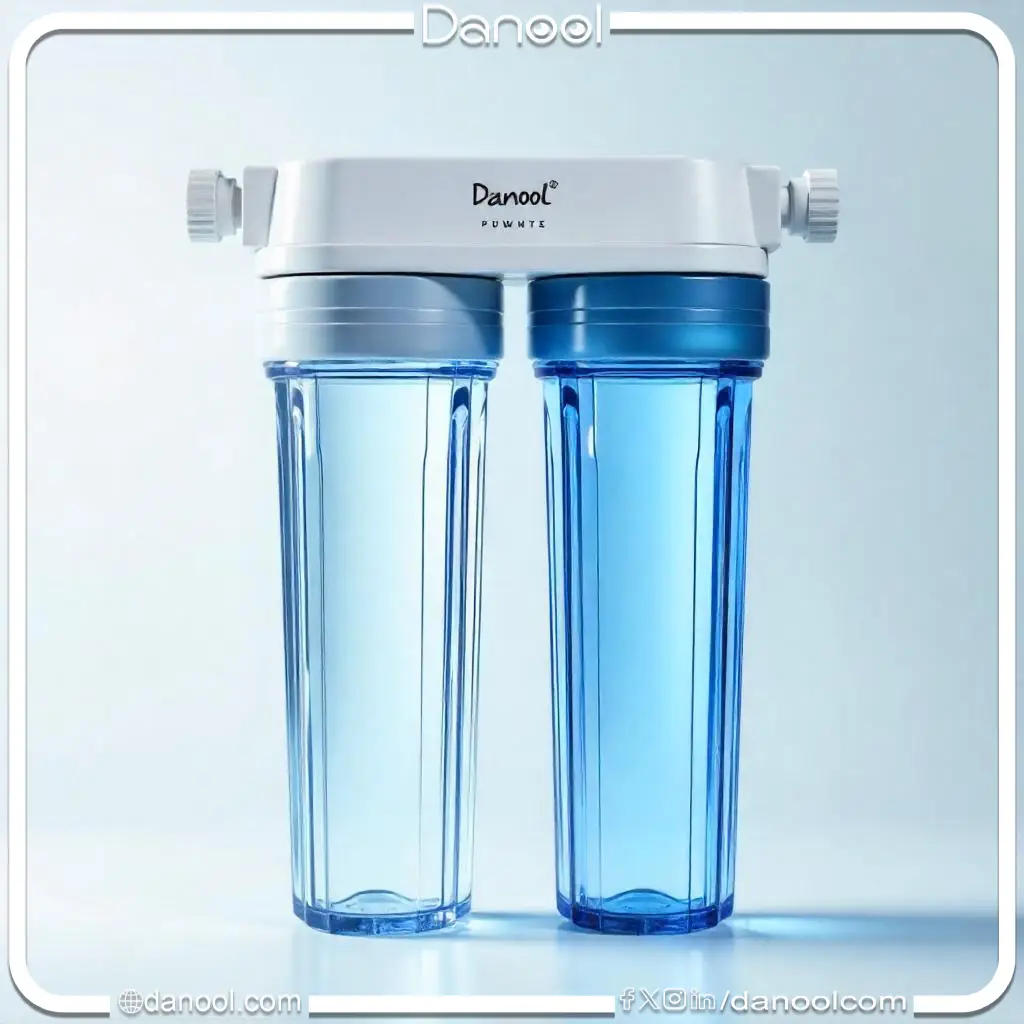
Table on water filters and diseases caused by contaminated water
| The subject is | the details |
|---|---|
| Diseases caused by contaminated water | |
| Bacterial Diseases | - Cholera: Diarrhea and dehydration. - Typhoid: fever and abdominal pain. |
| Parasitic Diseases | - Amoebic dysentery: bloody diarrhea and pain. - Giardia: bloating and pains. |
| Virus Diseases | - Hepatitis A: fever and yellowing. - Norovirus: diarrhea and vomiting. |
| Chemical poisoning | - Heavy metals (lead, mercury) and agricultural chemicals cause chronic diseases. |
| The role of water filters | |
| Removal of impurities | Disposal of sand, mud and solid particles. |
| Disposal of chemical contaminants | Remove chlorine and heavy metals using activated carbon. |
| Elimination of micro-organisms | Eliminate bacteria and parasites by ultraviolet light or microfiltration. |
| Improved taste and aroma | Make water cleaner and more acceptable to drink. |
| Types + filters + water | |
| Active Carbon Filters | Deodorization, chlorination and organic matter. |
| Ceramic Filters | Removes large particles and bacteria, needs regular maintenance. |
| RO Tech | Removal of heavy metals and excess salts. |
| UV filters | bacteria or viruses) |
| Tips for choosing a water filter | |
| - Determine water quality | Knowledge of contaminants present in local water. |
| - Approved filter selection | Must have a quality certificate. |
| Routine maintenance | Change filters in a timely manner to ensure work efficiency. |
conclusion
Clean water is essential to maintain public health. Using water filters is an important preventive step to reduce diseases caused by contaminated water. It is essential to raise awareness of the importance of water purification and filter maintenance to ensure access to healthy and safe water for drinking and daily use.