

Small desalination and purification plants have become a necessity in modern times, especially in areas suffering from the scarcity of fresh water sources. A water desalination and purification plant with a capacity of 5,000 liters per day is an ideal solution for limited uses such as large houses, small farms, or commercial facilities. In this article, we will go through the details of the components of the desalination plant and its mechanism of operation, as well as the factors that determine its cost .
Components of a water desalination and purification plant with a capacity of 5000 liters per day
A small water desalination and purification plant consists of several key components, working together to achieve the best quality of potable water or other uses:
1. Intake and pre-processing unit:
- Intake Pump: It pulls water from the source, whether it is a well, a reservoir, or seawater.
- Sand Filter: Removes large particles such as dust and sediment.
- Activated Carbon Filter: Removes organic matter and chlorine to improve water quality and protect membranes.
- Micron Filter: Removes small particles that may affect the efficiency of the membranes.
2. Reverse Osmosis System:
- High-Pressure Pump: Used to raise water pressure and enable it to pass through the reverse osmosis membrane.
- RO Membranes: It is the main component that removes salts, heavy metals and dissolved substances from water.
- Brine Reject System: Salt water resulting from the purification process is discharged.
3. END
- pH Adjustment Device: Balances the acidity in the water to make it safe and drinkable.
- UV Sterilizer Unit: Used to sterilize water and eliminate bacteria and viruses.
- Mineralization Unit: It reintroduces essential minerals to improve the taste and quality of water.
4. Water tank produced.
- An airtight storage tank made of rust and bacteria-resistant materials, for ready-to-use storage of pure water.
5. Monitor control
- 7.6 in. It shows operating data such as water pressure, percentage of salts (TDS), and flow rates.
- Sensors: to monitor water quality and system efficiency.
6. Pipes and Fittings:
- Pipes and joints made of corrosion resistant materials to withstand high pressure and to ensure that water is not contaminated during operation.
The mechanism of work of the desalination and water purification plant
The desalination plant with a capacity of 5000 liters per day operates through integrated steps to convert raw water into pure water. These steps include:
- Withdrawal of water from the source: Using the intake pump, raw water is transported to the plant.
- Initial Processing Large impurities such as sediment, chlorine and organic matter are removed using various filters.
- Reverse Osmosis Sweetening: Water is pressurized through reverse osmosis membranes that separate salts and contaminants from water.
- END The acidity of the water is modified and the necessary minerals are added and sterilized.
- Stocking: Purified water is stored in an airtight tank before being distributed for use.
Factors affecting the cost of the desalination plant (without quoting prices)
The cost of a water desalination and purification plant with a capacity of 5000 liters per day depends on several main factors, namely:
1. Raw Water
- The cost of the plant varies depending on the type of treated water; well water treatment differs from seawater treatment due to the concentration of salts.
2. Quality of the ingredients
- Prices vary depending on the quality of the components used such as membranes, pumps, and filters. High-quality ingredients last longer and work more efficiently.
3. Principle of Plant Design
- The design of the station and the extent of its technological development affect its cost. Stations with intelligent control systems and advanced sensors are usually more expensive.
4. Storage Tank Capacity:
- The capacity of the tank accompanying the station affects the price. Larger tanks cost more.
5. Optional Extras
- such as ultraviolet sterilization units or metal-adding system. These options add additional costs to the station.
6. Stamina Consumed:
- Energy efficiency is an important factor, as plants that consume less energy are considered economical in the long run, although they may be more expensive initially.
7. Installation and Maintenance Services:
- The cost of the plant varies depending on the manufacturer and the availability of the attached installation and maintenance services.
Uses of the desalination plant with a capacity of 5000 liters per day
Small desalination plants with a capacity of 5000 liters per day are used in many applications, including:
- Home Use
- To provide drinking and cooking water for a large family or group of homes.
- Commercial
- such as restaurants, cafes, and small hotels.
- Agricultural use
- To provide low-salt water for crop irrigation or hydroponics.
- Small-sized enterprises:
- To use water in cooling or production processes.
- Hinterland
- To provide potable water in areas with a shortage of fresh water supply.
Benefits of a 5,000 litre per day desalination and purification plant
- Eco-Friendly and Economical Solution:
- Provides a sustainable solution to meet daily water needs without relying on limited natural water resources.
- High efficiency in water purification:
- Capable of removing up to 99% of salts and contaminants.
- Compact and easy to transport design:
- Fits small spaces and can be used in temporary or remote locations.
- Flexibility of operation:
- They can be operated using various power sources, including electricity or solar energy.
- Reduce reliance on bottled water:
- Reduces the costs of purchasing bottled water and reduces plastic waste.
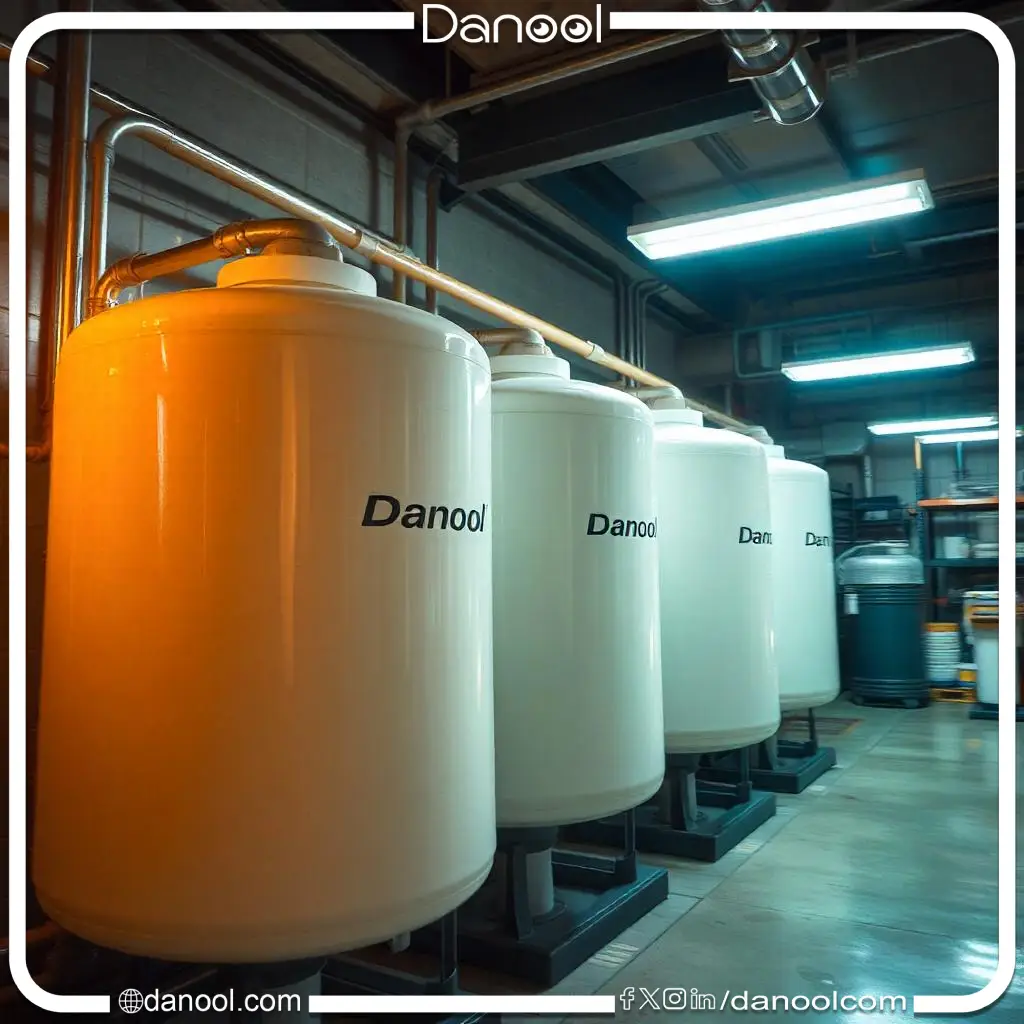
Table of components and desalination plant with a capacity of 5000 liters per day
| Item | Description |
|---|---|
| Station Capacity | 5000 liters per day (5 m³). |
| Application | Homes, commercial establishments, agriculture, small industries, remote areas. |
| main Components | - |
| Intake Pump | It draws water from the source (well, reservoir, sea). |
| Sand filter | Removes sediment and large particles (sand, dirt). |
| ACTIVE CARBON FILTER | Removes chlorine and organic matter and improves water quality. |
| Micro-Fiber | Removes fine particles that may damage the membranes. |
| high pressure pump | Raises water pressure to enable it to pass through reverse osmosis membranes. |
| Reverse Osmosis Membranes | Removes salts, heavy metals and dissolved substances by up to 99%. |
| Saltwater Disposal Unit | Dispose of salt water resulting from the desalination process. |
| Acidity modulation device (pH) | Balances the pH of the water to make it safe and drinkable. |
| UV sterilization is working | Sterilizes water and kills bacteria and viruses. |
| Addition of minerals. | Restores essential minerals such as calcium to improve water quality. |
| The water tank. | The produced water storage tank is made of rust and bacteria resistant materials. |
| Monitor control | Shows operational data such as water pressure and salt content (TDS). |
| HOW IT WORKS | - |
| Withdrawal | Raw water is drawn from the source using the intake pump. |
| Initial Resolution Approach | Water passes through filters to remove impurities, sediment and chlorine. |
| Reverse Osmosis Sweetener | Water is pressurized through membranes that separate harmful salts and minerals. |
| END | Modify acidity, add necessary minerals, and sterilize water. |
| Storage | Purified water is stored in an airtight tank ready for distribution. |
| BENEFITS | - |
| Small Size | Suitable for small spaces and easy to transport and install. |
| High efficiency | Removes up to 99% of salts and impurities. |
| Economic Cost | Less expensive compared to large plants, with flexibility in maintenance. |
| Eco Friendly | Reduces dependence on bottled water and reduces plastic waste. |
| Moderate energy consumption | Efficiency in plant operation to reduce energy costs. |
| Challenges | - |
| Disposal of salt water | Requires a proper drainage system to protect the environment. |
| routine maintenance | It needs periodic follow-up and maintenance to ensure efficient operation. |
| Power Source Stability | A stable power supply is required to operate the pumps and the reverse osmosis system. |
Desalination and purification plant with a capacity of 5000 liters per day is an innovative and efficient solution to provide fresh water for domestic, commercial and industrial uses. Its compact design and high efficiency make it an ideal choice for small communities or installations that need limited amounts of water. When choosing a desalination plant, it is important to consider the quality of the ingredients, the nature of the raw water, and the maintenance needs to ensure the sustainability of the performance and the highest value for money.