
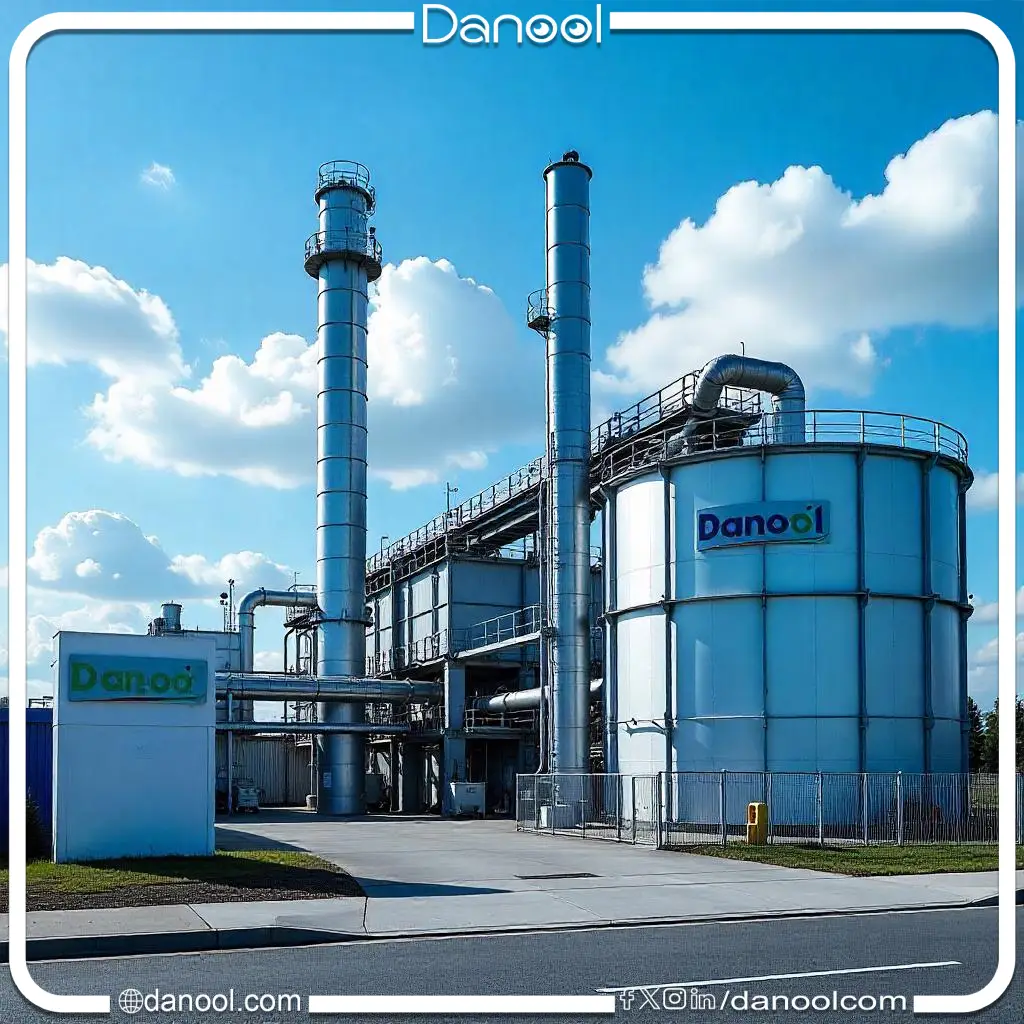
Industrial wastewater treatment plants are essential in the modern era for environmental protection and minimizing the negative impact of industrial activities. These plants purify polluted water generated by various industries, transforming it into water that can be reused or safely disposed of.
Importance of industrial wastewater treatment plants
Industrial wastewater treatment plants help protect water resources and the environment from pollution, and reduce health risks associated with contaminated water. They also help companies comply with environmental regulations imposed by governments, thus avoiding fines and penalties.
Best design for an industrial wastewater treatment plant
Designing an industrial wastewater treatment plant requires careful consideration of the nature of the pollutants present in the water and the daily volume of water to be treated. Key elements of wastewater treatment plant design include:
- First stage: Initial treatment
- Removing large solid particles using mesh filters.
- Reduce oil and grease using mechanical separators.
- Phase Two: Biological Treatment
- Reliance on aerobic or anaerobic treatment systems for the analysis of organic materials.
- Use aeration basins to provide the oxygen necessary for the activity of microorganisms.
- Third stage: Chemical treatment
- Removal of heavy metals using appropriate chemicals.
- Adjusting the pH to meet environmental standards.
- Fourth stage: Final treatment
- Using filtration and reverse osmosis techniques to obtain pure water.
- Disinfection with ultraviolet (UV) light or chlorine to ensure the elimination of microorganisms.
Feasibility study for an industrial wastewater treatment plant project
1. Identifying needs:
- Studying the nature of the targeted industries and the volume of expenditure resulting from them.
- Defining the environmental standards that must be adhered to.
2. Location and area:
- Choosing a location close to pollution sources to reduce transportation costs.
- Ensure there is enough space to accommodate equipment and tanks.
3. Construction and operating costs:
- Determine a comprehensive budget that includes construction and equipment costs.
- Calculating the cost of labor and energy used.
4. Economic returns:
- Saving on the costs of disposing of contaminated water.
- The possibility of reusing water in industrial processes.
5. Environmental feasibility:
- Reducing polluting emissions and improving environmental sustainability.
- Enhancing the company's reputation for commitment to social responsibility.
Costs of industrial wastewater treatment plants
The costs of industrial wastewater treatment plants vary depending on the size and technologies used:
- Small stations:
Suitable for small businesses, its cost starts at tens of thousands of dollars. - Medium-sized stations:
Suitable for medium-sized factories, their cost ranges from hundreds of thousands of dollars. - Major stations:
Serving major industrial areas, its cost exceeds millions.
Factors affecting cost:
- The type of pollutants and the degree of complexity of the treatment required.
- Technologies and equipment used.
- Geographic location and transportation costs.
Best types of industrial wastewater treatment plants
There are many types to choose from, depending on the nature of the contaminated water:
- Sedimentation stations:
It relies on gravity to separate solid particles from water. - Biological purification plants:
Microorganisms are used to break down organic matter. - Chemical treatment plants:
Effective in removing heavy metals and chemical pollutants. - Physical and chemical treatment plants:
It relies on filtration techniques and chemicals to remove impurities. - Reverse osmosis (RO) plants:
Effective in removing dissolved salts and minerals.
Conclusion
Industrial wastewater treatment plants are a strategic investment for companies seeking to protect the environment and comply with international standards. Selecting the right plant depends on the company's needs and the nature of the pollutants present in the wastewater. Construction, operation, and maintenance costs must also be considered to maximize benefits at the lowest possible cost.
Comparison table between types of industrial wastewater treatment plants
| The element | sedimentation stations | biological purification plants | Chemical processing plants | Physical and chemical treatment plants | Reverse osmosis (RO) plants |
|---|---|---|---|---|---|
| HOW IT WORKS | It relies on gravity to separate solid particles. | Microorganisms are used to break down organic matter. | Chemicals are used to remove heavy metals and pollutants. | It relies on filtration and chemicals to remove impurities. | It relies on reverse osmosis technology to remove dissolved salts and minerals. |
| Features | Low cost and easy to operate. | Effective for processing organic materials. | Effective in removing heavy metals and chemical pollutants. | It offers a comprehensive treatment that combines multiple methods. | It purifies water to a very high degree. |
| Disadvantages | It does not remove dissolved pollutants or chemicals. | It requires careful monitoring and regular maintenance. | It may be expensive due to the use of chemicals. | Complex to install and requires high maintenance costs. | It is expensive and consumes large quantities of water. |
| Costs | Low to medium. | Medium to high. | Medium to high. | Very high. | Very high. |
| Most appropriate use | Industries that contain large solid particles. | Food and beverage industries. | Chemical and pharmaceutical industries. | Industries of various types with different pollutants. | Industries that require highly purified water. |
comments:
- The choice of the appropriate type varies depending on the nature of the pollutants and the volume of water to be treated.
- All types require regular maintenance to ensure efficiency and quality.