
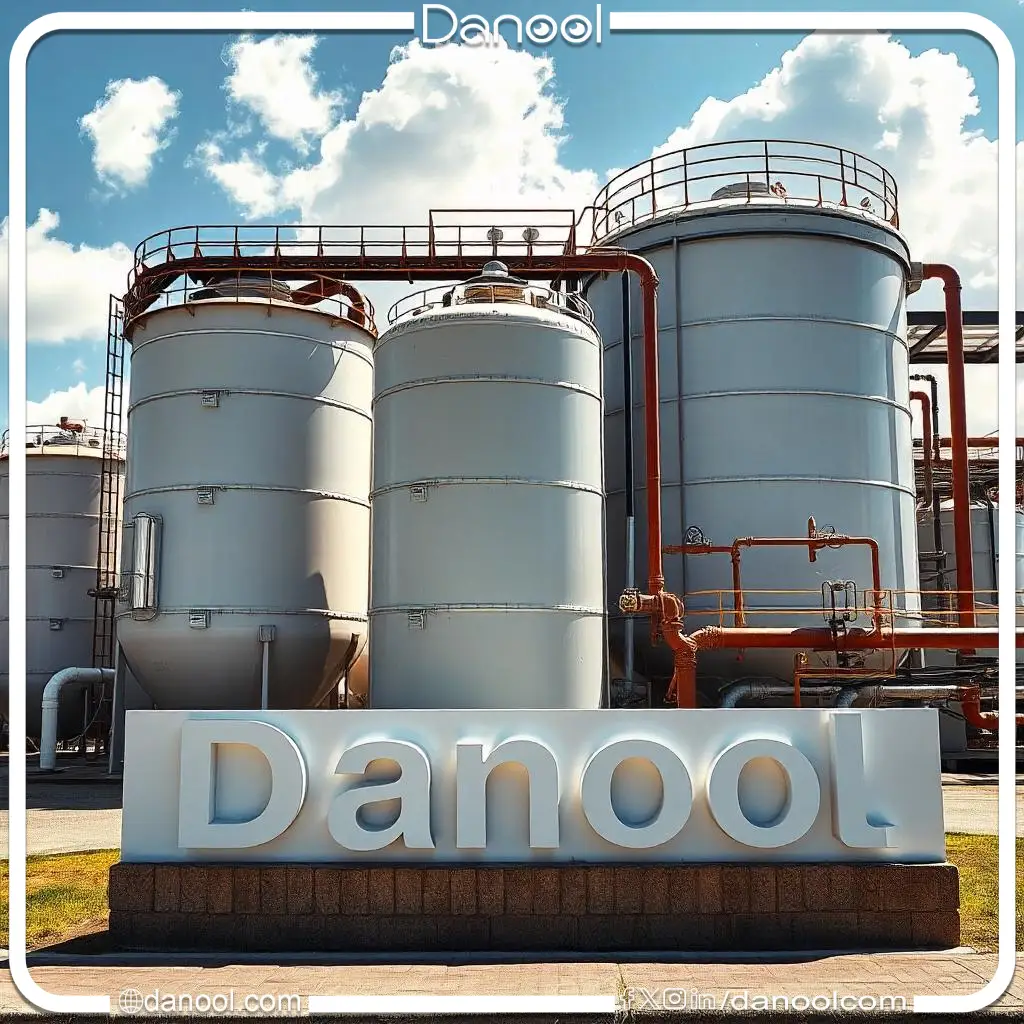
\ Reverse Osmosis (RO) Water Plants: Innovative Technology to Solve the Water Crisis
the introduction
In light of the increasing challenges facing the world in terms of freshwater scarcity and high rates of pollution of water sources, Reverse Osmosis (RO) technology has emerged as one of the effective solutions for water treatment and desalination. RO water plants are one of the most important technologies used for desalination of salt water and treatment of non-potable water, making them a vital resource to support human and industrial needs.
What is Reverse Osmosis Technology?
Reverse osmosis technology is a process based on Water Passing Through semi-permeable membranes under high pressure, in order to separate impurities, salts and heavy metals from pure water. This technology is widely used in seawater desalination, groundwater treatment, and drinking water purification.
Importance of Reverse Osmosis Water Plants
Reverse osmosis plants are one of the modern solutions for water treatment due to:
- Desalination of seawater and brackish groundwater: Providing fresh water in coastal areas or those suffering from fresh water scarcity.
- Purification of drinking water: Removal of micro pollutants, bacteria and impurities.
- Providing water to industrial sectors: Purified water is used in sectors such as pharmaceuticals, food, and power plants.
- Reuse of treated water: Treatment of industrial and municipal wastewater to make it suitable for use in irrigation or other purposes.
Components of reverse osmosis plants
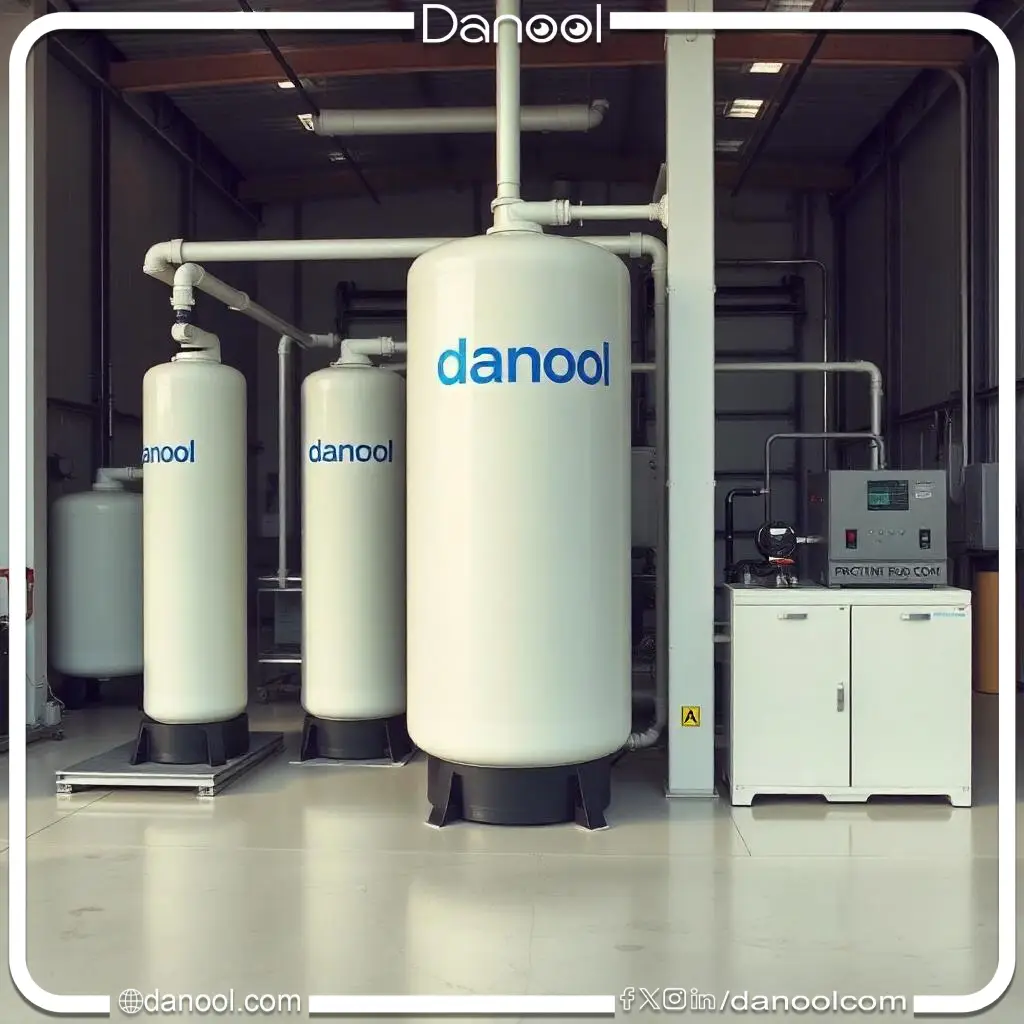
Reverse osmosis water plants consist of several main units working together to ensure treatment efficiency:
- Initial Processing:
- Sedimentation basins: To remove large impurities and solid particles.
- Sand Filters: Removes plankton and sediment.
• Active carbon filters .: To remove chlorine and organic matter.
- High Pressure Pumping Unit:
- Water is raised to high pressure to force it through semi-permeable membranes.
- Semipermeable Membranes (RO Membranes):
- It is considered the basic element of the plant, as it allows the passage of pure water molecules and prevents the passage of salts and heavy metals.
- END:
- Add chemicals to adjust water salinity and pH.
- Sterilize water with ultraviolet light or by adding chlorine.
- Storage & Distribution:
- Treated water is stored in special tanks before being distributed.
Reverse Osmosis Plant Work Stages
The water inside the RO plants goes through several sequential stages that ensure its complete purification and desalination:
- Primary Treatment Phase:
During which large impurities, such as sand and clay, are removed, as well as reducing the proportion of chlorine that may damage the membranes. - High Pressure Pumping Stage:
Water is pumped into reverse osmosis membranes using high-efficiency pumps that produce high pressures of up to 60-80 bar. - Transmembrane separation phase:
- Membranes separate fresh water from salts and pollutants, where approximately 99% of salts and heavy metals are retained.
- Final Processing Stage:
The quality of the treated water is controlled by adding improvement materials and sterilizing it to ensure that it conforms to the sanitary specifications. - Waste Disposal Phase:
Concentrated water is disposed of with contaminants and salts (return water) in an environmentally safe manner.
Advantages of Reverse Osmosis Plants
RO water plants have several advantages that make them the perfect choice for water treatment:
- High efficiency in removing contaminants: Removes 99% of salts, heavy metals and contaminants.
- Low energy consumption. compared to other desalination techniques such as steaming.
- Low Operational Cost: Especially with technological advances and improved efficiency of pumps and membranes.
- Flexibility
: : Used for seawater desalination, groundwater, and industrial water treatment. - Produce high quality water: Conforming to global drinking water standards.
Challenges of reverse osmosis (RO) plants
Despite the significant advantages, RO stations face some challenges:
- Disposal of return water: Contains high concentrations of salts and contaminants, which may affect the marine environment.
- Damage to membranes: Membranes are affected by the presence of organic matter and sediments, requiring periodic maintenance.
- High cost of construction: The cost of setting up RO plants is relatively high compared to conventional processing systems.
- Consumption + energy: Despite its efficiency, the process requires a great deal of energy for high pressure.
Technological Developments in Stations
Reverse osmosis plants have undergone remarkable development thanks to modern technologies:
- Improving the efficiency of membranes: Produce membranes that are more resistant to damage and have higher desalination capacity.
- Use+renewable+energy: Operation of plants using solar and wind energy to reduce traditional energy consumption.
- Energy Recovery Systems: Reusing wasted energy in the pumping process, which reduces operational costs.
- Intelligent monitoring: The use of sensors and intelligent control systems to monitor the efficiency of the plant and improve its performance.
Conclusion
Reverse osmosis (RO) water plants represent an innovative and effective solution to the challenges of water shortage and desalination. With the continuous progress in the technologies used, these stations are an essential part of the global water security strategy. RO stations are expected to continue to grow and proliferate to support human needs amid climate change and growing populations.