
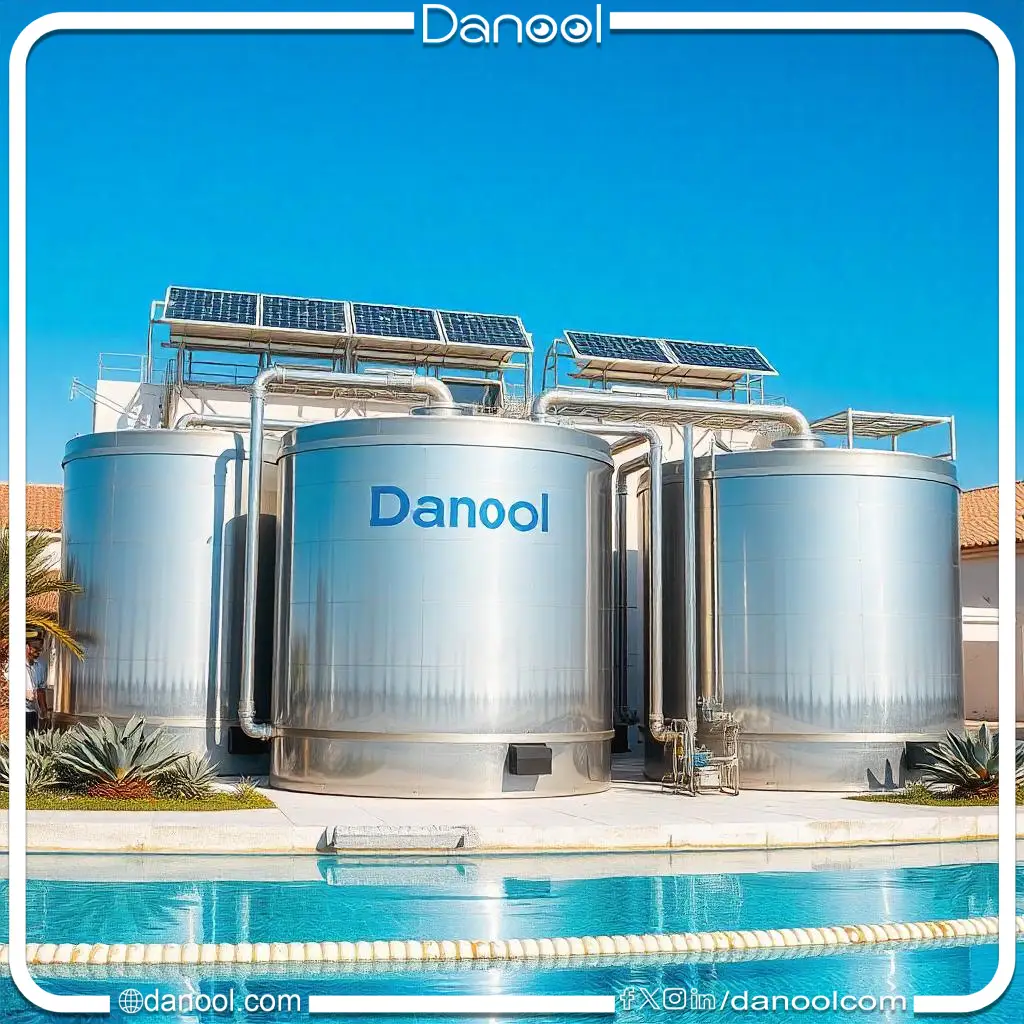
With challenges related to the scarcity of potable water and dependence on fresh water, desalination plants have become a necessary choice for the provision of clean water. Desalination and water purification plant with a production capacity of 10 cubic meters per day (10,000 liters) is ideal for large-scale household uses, commercial facilities, and medium farms. In this article, we will review the components of the desalination plant and its mechanism of operation, along with the factors that affect its cost, without reference to prices.
Components of a water desalination and purification plant with a capacity of 10 cubic meters per day
1. Initial Processing
- Feed Pump:
It pulls water from the source (well, reservoir, or seawater) to the plant. - Sand Filter:
Removes large impurities such as sediment, dust, and sand. - Activated Carbon Filter:
Removes chlorine and organic matter to improve water quality and protect membranes from corrosion. - Micron Filter:
Removes small particles (such as bacteria and fine impurities) to ensure system efficiency.
2. Reverse Osmosis System:
- High-Pressure Pump:
Used to raise water pressure and push it through reverse osmosis membranes. - Reverse Osmosis Membranes (RO Membranes):
It is the main ingredient that removes salts, heavy metals and chemicals by up to 99%. - Brine Rejection System:
Removes salt water from the desalination process to ensure continuity of the process.
3. END
- pH Adjustment Device:
Modifies the pH level of the water to make it suitable for drinking. - UV Sterilizer:
Kills bacteria and viruses in the water after the desalination process. - Mineralization Unit:
Adding essential minerals such as calcium and magnesium to improve the taste and quality of water.
4. Water tank produced.
- A reservoir made of stain-resistant and bacterial materials ensures safe storage of fresh water until it is distributed.
5. Monitor control
- 7.6 in.
Information on water pressure, salinity ratio (TDS) and flow rates is displayed. - Sensors:
To continuously monitor water quality and operational efficiency.
6. Pipes and Fittings:
- Pipes and connections made of corrosion resistant materials to withstand high pressure and ensure that water is not contaminated during treatment.
The mechanism of operation of the distillation plant is 10 cubic meters per day.
- Withdrawal of water from the source:
Using a pumping pump, raw water (such as well water or sea water) is transported to the station. - Initial Processing
Water is purified from major impurities and chlorine through the primary filters to prepare for the desalination process. - Reverse Osmosis Sweetening:
Pressure of water through the reverse osmosis membranes that separates salts and harmful minerals from fresh water. - END
The acidity is modified, water is sterilized and the necessary minerals are added to improve its quality. - Stocking:
Clean water is stored in a reservoir that is sealed and ready for use or distribution.
Factors that affect the cost of the desalination plant
1. Raw Water
- The cost of treatment varies depending on the type of water (well water, seawater, or surface water).Water with a high salinity ratio requires more sophisticated equipment.
2. Quality of the ingredients
- Prices vary depending on the quality of the pumps, lining, and filters used.High-quality components guarantee a longer service life and higher efficiency for the plant.
3. Storage Tank Capacity:
- The more capacity the station's associated tank has, the higher the total cost.
4. Energy consumption:
- High-energy-efficient power plants are more expensive at first, but they are economical in the long run.
5. Installation and Maintenance Services:
- Include the costs of periodic installation and maintenance to ensure the continuous efficient operation of the plant.
6. Optional Extras
- Such as an UV system or metal additive unit, which increases the cost of the plant.
Ideal uses for a 10 cubic meter per day desalination plant.
- Home Use
- Suitable for large homes or residential complexes to provide clean drinking water.
- Commercial use:
- They are used in restaurants, hotels, and small factories that need moderate amounts of clean water.
- Agricultural use
- Ideal for crop ownership or for use in hydroponic systems.
- Industrial use:
- They are used in cooling or production processes that require low-salt water.
- Hinterland
- Provide fresh water in areas with a water scarcity.
The advantages and disadvantages of this
- High water quality:
- It removes up to 99% of salts, heavy metals and contaminants.
- Economically sustainable solutions:
- Reduce reliance on bottled water and unsustainable sources.
- Flexibility of operation:
- The possibility of running the plant using electricity or solar power.
- Integrated design:
- It is suitable for small spaces and is easy to transport and install.
- Lower long-term operating costs:
- Especially with high efficiency in energy consumption and periodic maintenance.
A short table of the 10 cubic metres per day distillation and water treatment plant.
| Item | Description |
|---|---|
| Station Capacity | 10 cubic meters per day (10,000 liters). |
| Application | Large houses, commercial facilities, agriculture, small industries, remote areas. |
| main Components | Pull pump, sand, carbon and fine fiber filters, high pressure pump, reverse osmosis lids. |
| END | Modification of acidity, sterilization by UV rays, addition of metals, storage of water in a safe reservoir. |
| HOW IT WORKS | Preliminary treatment of defects, reverse-translucent desalination, final treatment, storage of water for use. |
| BENEFITS | 99% salt removal, energy efficiency, integrated design, easy periodic maintenance. |
| Perfect uses | Houses, hotels, restaurants, irrigation, industrial cooling, remote areas. |
The conclusion is that the whole thing is a good thing.
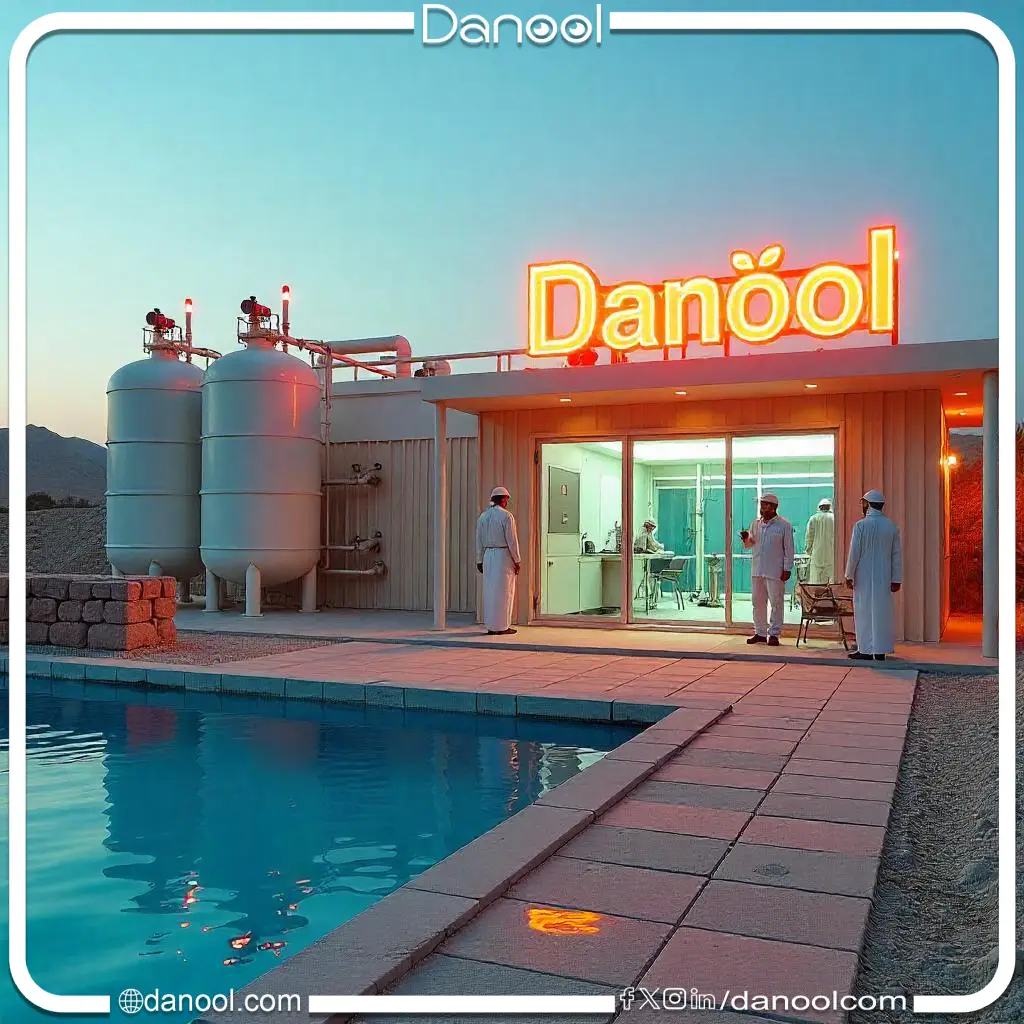
The distillation and treatment plant with a capacity of 10 cubic meters per day is the ideal solution for individuals and facilities looking for a reliable source of fresh water. Through reverse distillation technologies and final treatment, the plant provides high-quality drinking water and various uses. When choosing a plant, the quality of components, energy efficiency, installation and maintenance services must be taken into account to ensure maximum utilization and long-term sustainability of its performance.